
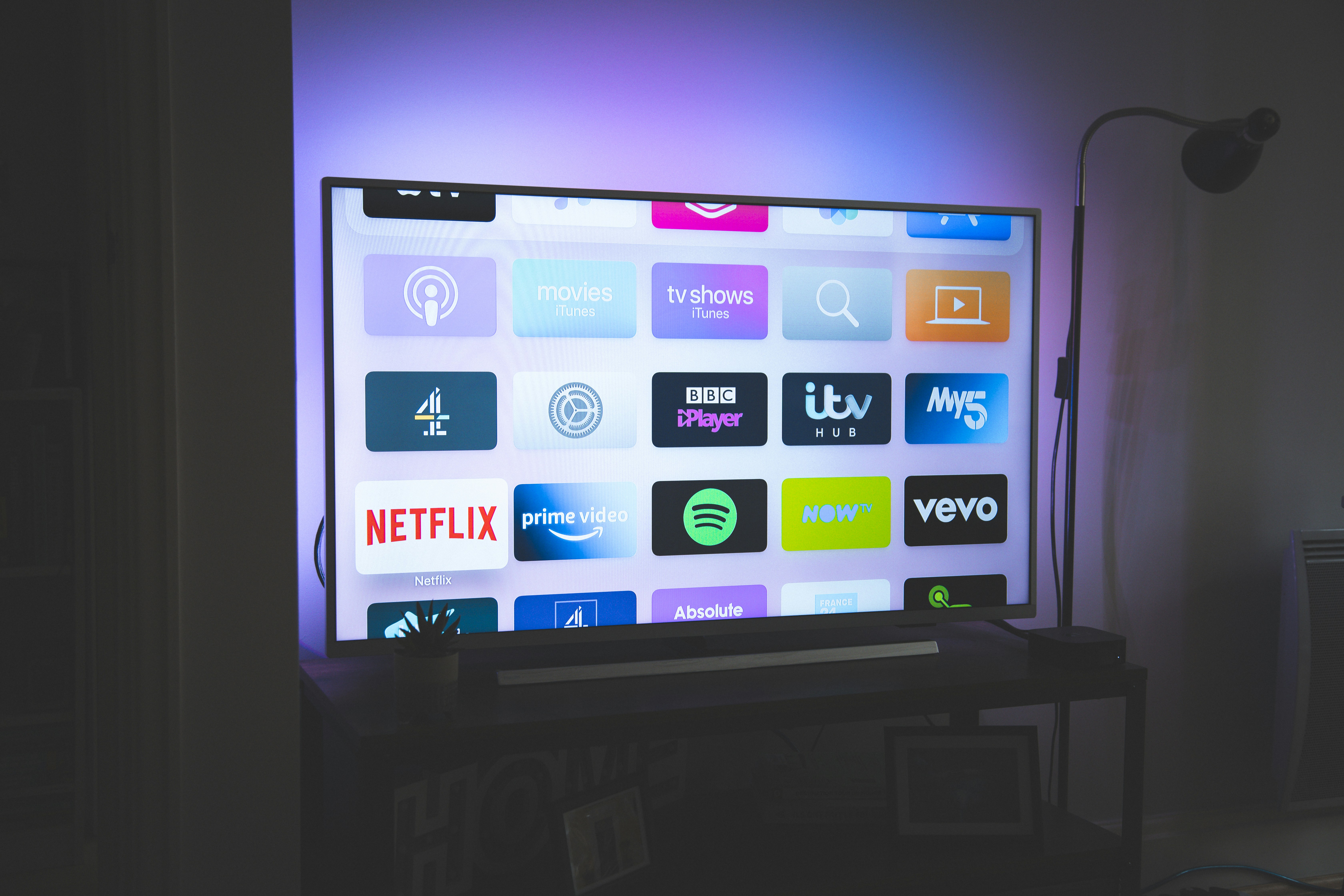
Understanding IPTV: What Is It and How Does It Work?
Internet Protocol Television, commonly known as IPTV, represents a modern approach to broadcasting television signals. Unlike traditional cable or satellite services that rely on physical wires or satellites, IPTV transmits content through internet protocols, enabling viewers to access a vast range of television programming via their internet connection. This technology fundamentally shifts how viewers consume television content, providing flexibility and convenience.
The key technical aspect of IPTV is its use of the internet to deliver video content. Instead of utilizing a set frequency or satellite signals, IPTV streams content over the internet using standard internet protocols. This allows users to watch live TV, video-on-demand, and even engage in interactive features seamlessly. To access IPTV services, a stable internet connection is essential, typically recommended to be at least 10 Mbps for optimal viewing experience. Additionally, users will require a compatible device, such as a smart TV, set-top box, or mobile device, along with an IPTV subscription that provides access to the desired channels.
One of the primary advantages of IPTV is its ability to offer a wider variety of content than traditional TV services. Subscribers can often enjoy on-demand video libraries, catch-up TV, and the ability to pause or rewind live broadcasts. IPTV services frequently include customizable packages that allow users to select only the channels they wish to watch, eliminating unnecessary expenses associated with traditional cable subscriptions. Furthermore, many IPTV services provide access to international channels, catering to diverse audience preferences.
When considering an IPTV service, it is crucial to evaluate several key features. Users should look for high-definition streaming quality, a user-friendly interface, comprehensive customer support, and compatibility with various devices. Additionally, a reliable IPTV service should provide regular updates and enhancements to ensure optimal performance and a satisfying viewing experience.
Top IPTV Services in the USA for 2026: A Detailed Comparison
The IPTV landscape in the USA is continually evolving, and 2026 presents an array of services that cater to diverse viewing preferences. This comparison highlights several leading IPTV providers, focusing on key metrics such as channel selection, pricing, ease of use, device compatibility, reliability, and customer support.
Provider A stands out with its extensive channel offerings, boasting over 1,000 channels, including popular sports, news, and entertainment options. The competitive pricing structure allows for various bundles, catering to both budget-conscious consumers and those seeking premium content. Notably, users have reported a user-friendly interface, which simplifies navigation across devices. This provider has also garnered praise for its reliable streaming performance, with minimal buffering issues, enhancing the overall viewing experience.
Conversely, Provider B distinguishes itself through its affordability. Targeting viewers keen on budget-friendly options, it offers several lower-priced packages that include a substantial selection of channels. However, some users have mentioned limitations in advanced features, which may not appeal to technology-savvy households. While device compatibility is decent, it might not extend to every platform, which could deter some consumers.
Provider C, another competitor in the market, provides a strong emphasis on customer support, ensuring assistance is readily available through multiple channels. Overall user reviews indicate a high level of satisfaction, particularly concerning prompt issue resolution and assistance. The channel lineup, though not as expansive as other services, includes niche options that cater to specific audiences. Pricing plans remain competitive, making it an attractive choice.
In addition to these three prominent providers, several other services compete for attention in the market. Each offers unique selling points, and the evolution of technology continues to shape viewer preferences. Understanding the strengths and weaknesses of these different IPTV offerings will assist potential users in making informed choices that align with their viewing habits and requirements.
Requirements for Choosing the Best IPTV Service
When selecting the best IPTV service, there are several crucial requirements that potential subscribers should consider to ensure an optimal viewing experience. One of the foremost considerations is internet speed. A reliable and fast internet connection is essential for streaming content without interruptions. Experts generally recommend a minimum speed of 25 Mbps for standard-definition streaming and at least 50 Mbps for high-definition or 4K content. This ensures that users can enjoy their favorite shows without buffering or lag.
Device compatibility is another significant factor. The ideal IPTV service should be accessible across various devices, including Smart TVs, laptops, tablets, and smartphones. Potential subscribers should verify if the service is compatible with their existing devices, as this will greatly affect their ability to enjoy the content seamlessly. Additionally, it is important to consider whether the IPTV service offers dedicated apps for these devices, providing a better user interface and enhanced viewing experience.
Subscription packages also play a vital role in the selection process. Users should evaluate the content offerings based on their viewing preferences, such as live television, on-demand movies, and sports channels. IPTV services usually offer different packages catering to diverse interests, so it is advisable to compare these to find a plan that fits individual requirements and budgets.
Lastly, the legality of the IPTV service is of paramount importance. Subscribers should ensure that the service operates within legal boundaries to avoid potential issues down the line, such as service shutdowns or legal repercussions. Opting for a legitimate IPTV provider not only provides peace of mind but also often correlates with higher-quality content and customer support.
Frequently Asked Questions About IPTV Services in the USA
As more individuals in the United States consider transitioning to IPTV (Internet Protocol Television) services, various concerns and questions arise regarding this technology. This section aims to address common queries effectively, giving users a better understanding of IPTV and how it operates.
1. Is IPTV legal in the USA?
One of the foremost questions is about the legality of IPTV services. The legality of IPTV can vary based on the provider. While many legitimate IPTV services operate within the law, there are also pirated services that infringe on copyright laws. It is crucial for users to research and choose a reputable IPTV provider that complies with legal standards.
2. Are IPTV services safe and secure?
Security is a significant concern for many potential IPTV users. Most legitimate IPTV services utilize encryption and secure connections to protect user data. However, it is paramount to choose a trustworthy provider and avoid pirated services, as these can expose users to cyber threats and malware risks.
3. What are the technical requirements for IPTV?
To enjoy a seamless IPTV experience, certain technical requirements must be met. Users typically need a stable internet connection with a minimum speed of 10 Mbps for high-definition content. Additionally, compatible devices such as Smart TVs, streaming boxes, or mobile devices are essential for accessing IPTV services.
4. How can I troubleshoot common IPTV issues?
Troubleshooting IPTV issues often involves steps like checking the internet connection, restarting the device, and ensuring that the app or software is updated. Additionally, consulting the provider’s customer support can help resolve more complex issues.
This FAQ section aims to dispel some of the uncertainties surrounding IPTV services and provide potential users with helpful insights for a smooth transition to this technology.